In this article
- What the sight-size method is and why students use it
- How to set up the easel and viewing position
- How to compare, correct, and measure
- Which common mistakes make the method less effective
What sight-size actually means
In sight-size drawing, the subject and the drawing are arranged so that, from one observation point, both appear at the same visual scale. This allows the student to compare shapes and distances more directly. In a classical drawing context—especially in Florence, Italy, where atelier training remains influential—this can be a powerful way to teach accuracy.
The method is not a shortcut. It does not replace understanding. What it does is make visual errors easier to notice, which is why it is so useful in early and intermediate training.
Set the station before you start
The observation point matters. If the student keeps changing where they stand or sit, the comparison becomes unreliable. A stable viewing position, a properly placed easel, and enough distance from the subject are all essential. Once the setup is established, the student returns to the same point repeatedly to check the drawing.
Because the method depends on consistency, even small changes in angle can affect the result. This is why many students find it demanding at first and rewarding later.
Compare, correct, and compare again
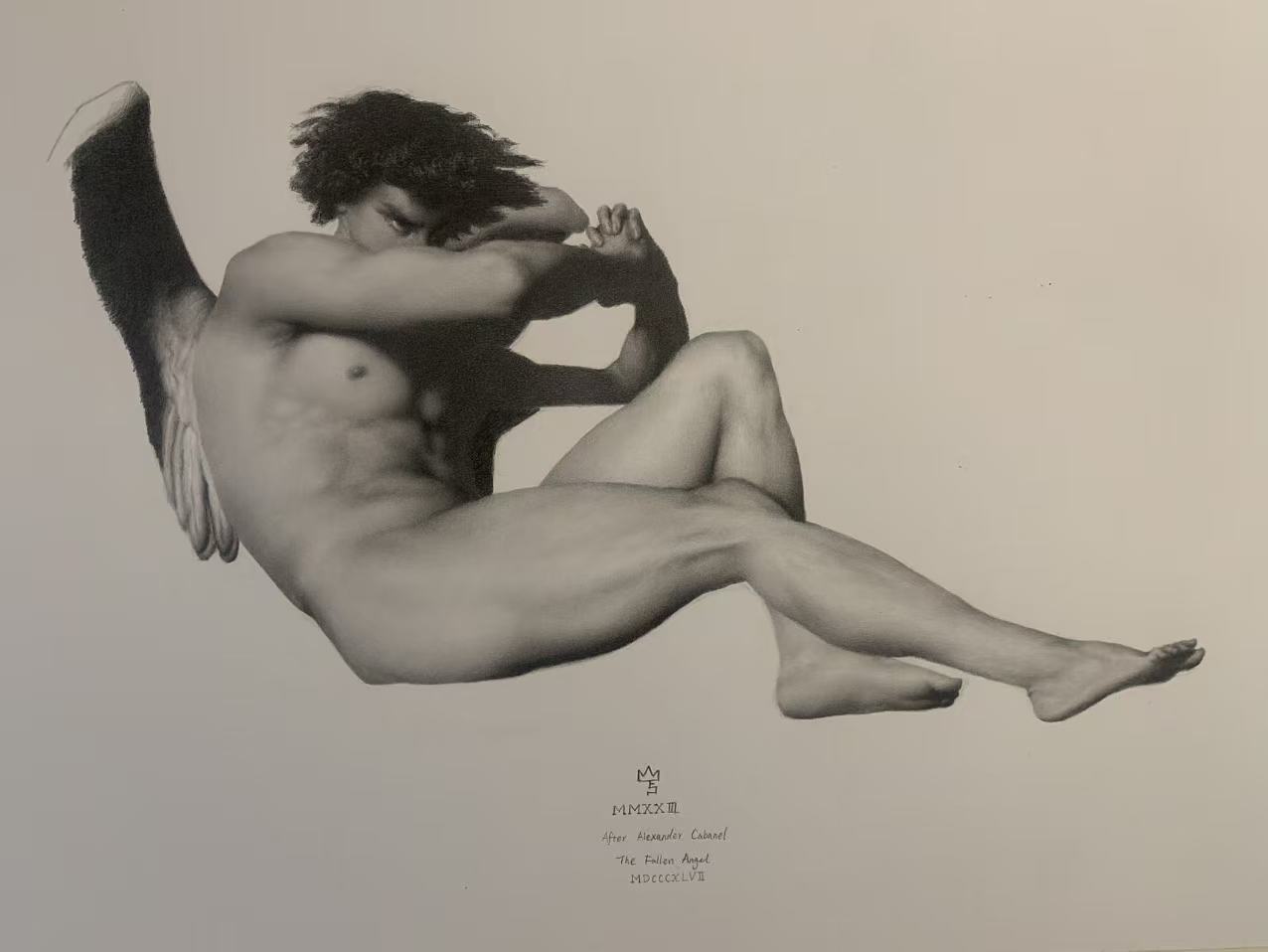
At the easel, students often alternate between close work and distance checks. The real training happens in that movement: draw a line, step back, compare, notice the error, and correct it. The method reinforces patience and makes the student more honest about proportion and alignment.
Sight-size works best when the student treats correction as part of the method, not as a sign of failure.
Changing the viewpoint
Keep one fixed observation point, or the comparison becomes less reliable.
Rushing into detail
Large shape relationships should be checked before smaller descriptive passages.
Ignoring negative shapes
The spaces around the form often reveal proportional errors more clearly.
Working too dark too soon
In drawing, broad value decisions usually serve correction better than premature finish.
Why the method still matters
The sight-size method remains useful because it trains a student to compare carefully and to trust observation over assumption. Even students who later work more freely often benefit from the discipline it builds. For anyone exploring atelier study or classical drawing classes in Florence, Italy, it remains an important method to understand.
Its purpose is not uniformity. Its deeper value is that it sharpens the eye and makes proportion more dependable, which supports everything from portrait drawing to painting.