What this guide covers
- How to define the purpose and setting of the portrait
- What reference photos or sittings are most useful
- How to choose the right scale for a home in Florence or abroad
- What to confirm before the painting begins
Begin with the life of the finished painting
Before discussing canvas size or clothing, consider where the portrait will live. A head-and-shoulders likeness intended for a private room has a different presence from a more formal portrait made for a principal living space. When collectors in Florence, Italy—or abroad—begin with the intended setting, the decisions that follow become clearer and more coherent.
Ask what the portrait should preserve. Sometimes the aim is remembrance, sometimes celebration, and sometimes a quiet daily presence within the home. That emotional purpose shapes composition, scale, and atmosphere more effectively than style references alone.
Choose a format that serves the sitter
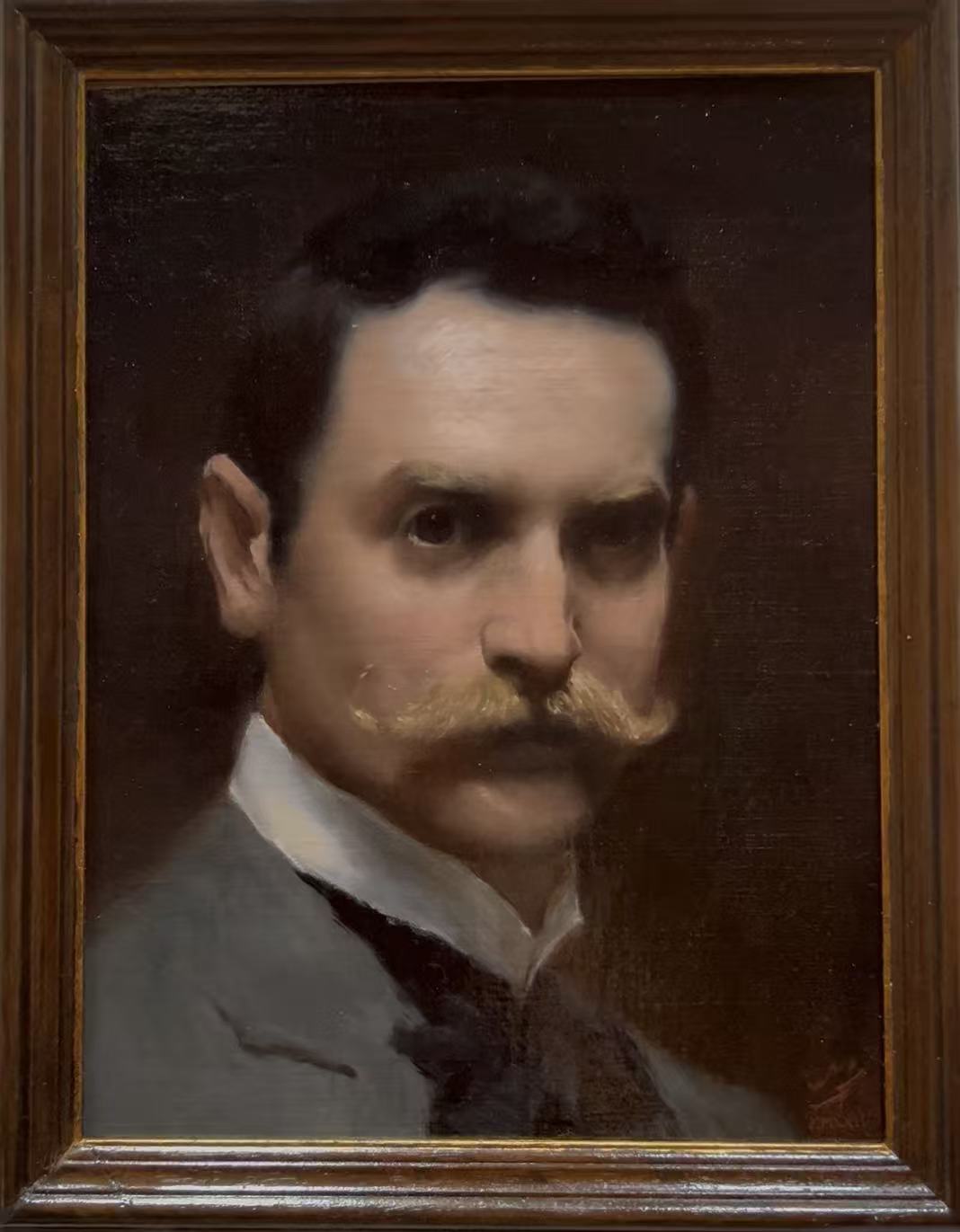
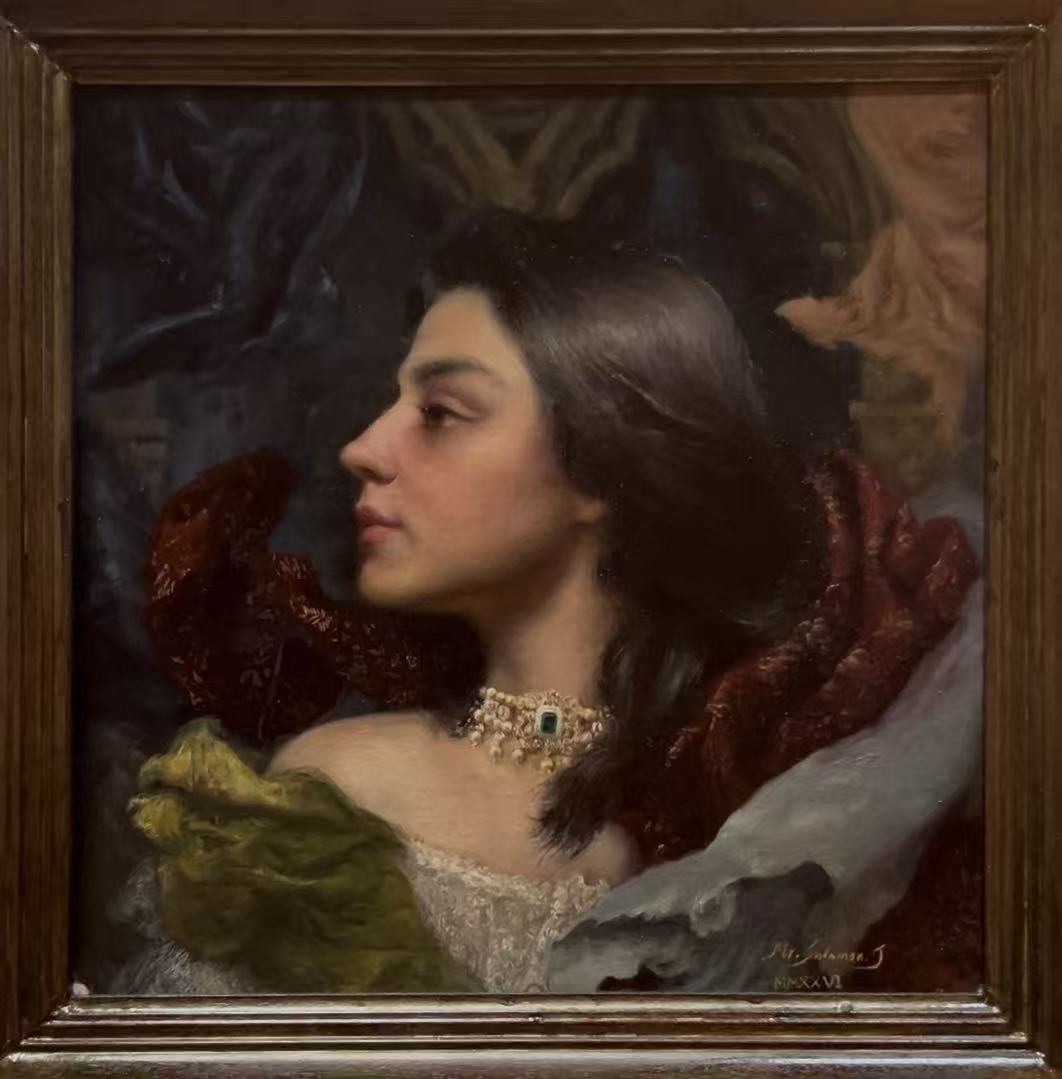
A classical oil portrait may focus closely on the face, include the hands, or place the sitter within a fuller setting. The most successful format is usually the one that keeps attention on the person rather than on secondary details. In a Florence portrait commission, clothing, props, and background should support character and mood without becoming decorative distractions.
During the first consultation, it helps to discuss the number of sitters, the degree of formality, and whether the portrait should feel intimate, ceremonial, or quietly domestic. A clear brief saves time and often leads to a more timeless result.
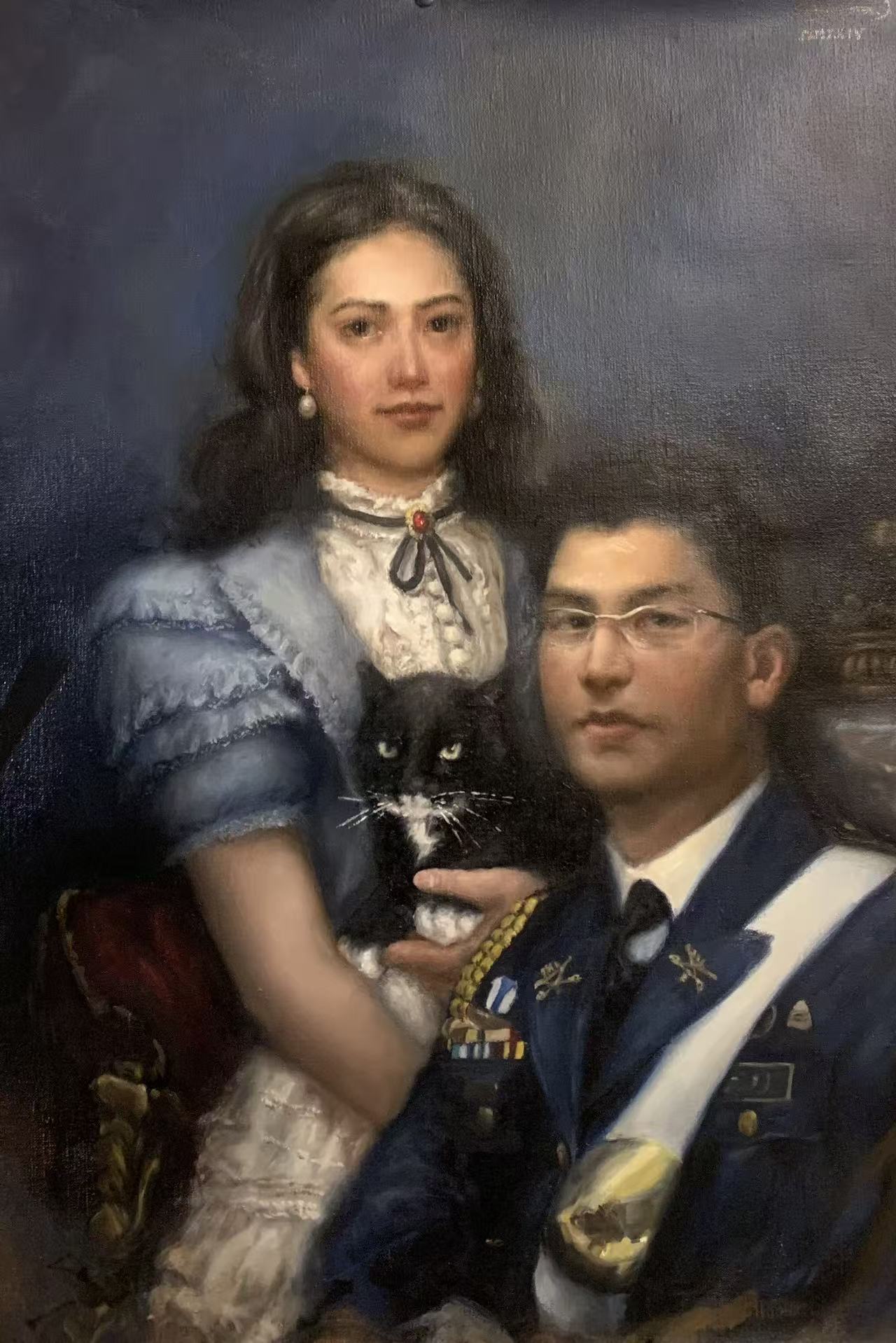
Reference photographs matter more than perfection
Portraits can be developed from sittings, photographs, or a combination of both. For many commissions, especially remote ones, carefully chosen photographs are the foundation. The best images are not necessarily the most polished—they are the ones that communicate natural expression, accurate colour, and the sitter’s real character.
Good reference material usually includes one primary image, several supporting photographs, and a brief note about what you especially love in the person’s expression. That small piece of guidance is often more helpful than sending dozens of similar files.
The best portrait references are clear enough to guide likeness, but human enough to preserve character.
Natural light
Choose images taken in soft daylight so features and skin tones remain believable.
Several angles
A main pose plus a few supporting views gives the artist more confidence when modeling the head and features.
Meaningful clothing
If clothing matters, include clear photographs of the garments you want represented.
Room context
A photo of the intended wall or room helps determine the right portrait size and frame presence.
Confirm size, timing, and approval before painting begins
A good proposal for a custom oil portrait in Florence should confirm the composition, size, price, estimated timeline, and any framing or delivery considerations. This makes the process easier for both collector and artist and prevents uncertainty once studio work has started.
At Hui Fine Art, a private inquiry does not create an obligation. The commission begins only after the proposal is approved and the deposit is received. The remaining balance is due after final approval and before collection or shipment.
Collectors outside Florence can complete the process remotely, provided the brief, reference material, and practical details are clear from the outset.