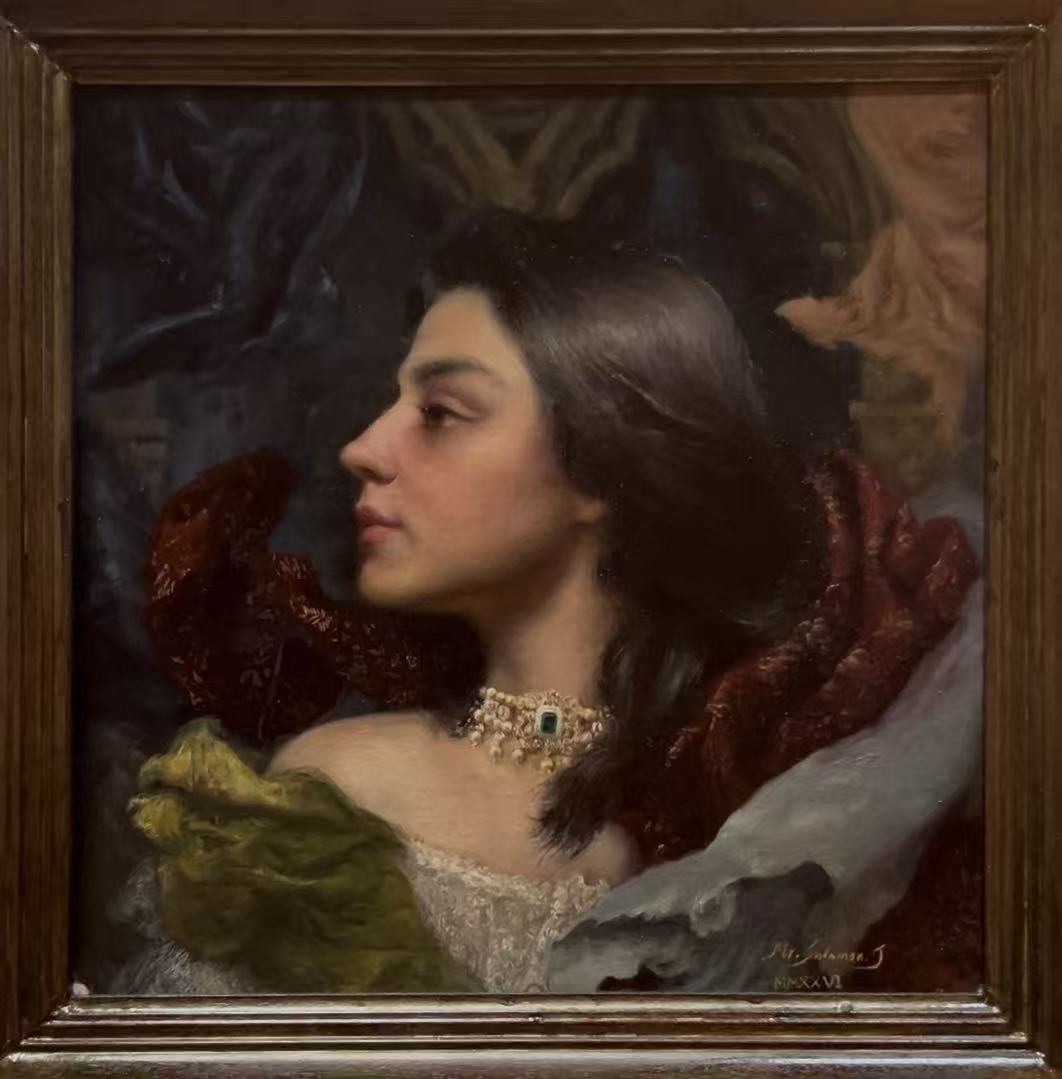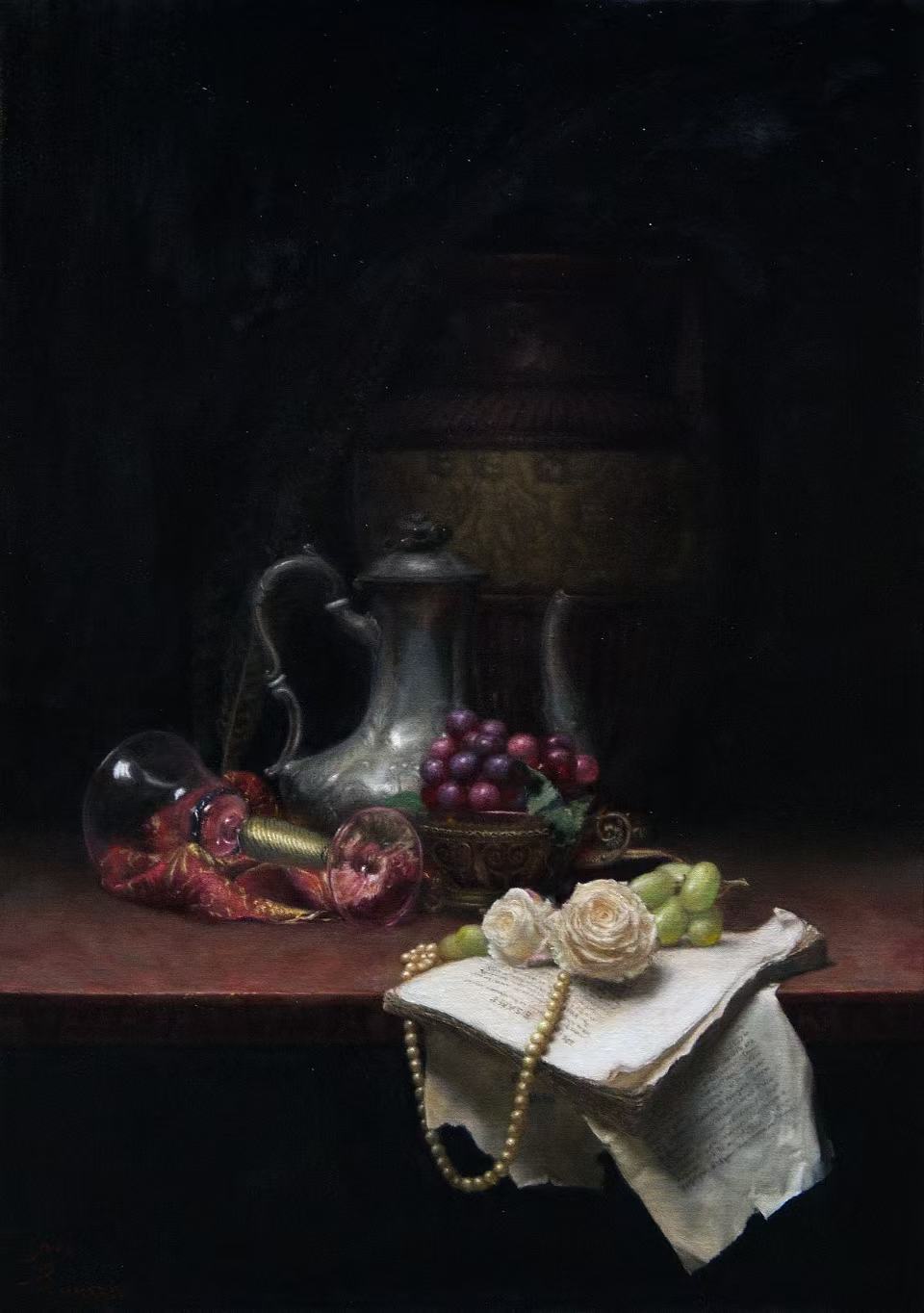
What students practice
- Observation, measurement, and clear proportion
- Bargue drawing and shape simplification
- Charcoal, value, edges, and form
- The transition from drawing into oil painting
Observation comes before style
In strong classical drawing classes, students first learn how to look. That means comparing angles, checking distances, and noticing shape relationships before thinking about rendering. For students searching for classical drawing classes in Florence, Italy, this foundation matters more than quick effects or stylistic tricks.
Once observation improves, confidence improves with it. Many beginners discover that drawing becomes less mysterious when the process is broken into visible, repeatable steps.
Bargue drawing and the discipline of simplification
Bargue plates are often used in atelier training because they teach precision without overwhelming the student. By copying carefully designed examples, students learn to simplify complex forms into manageable shapes and to compare proportion more rigorously.
Although Bargue work may look strict, it builds habits that support later portrait and figure drawing. It is not the final goal; it is one of the clearest ways to train the eye and hand together.
Charcoal, value, and form
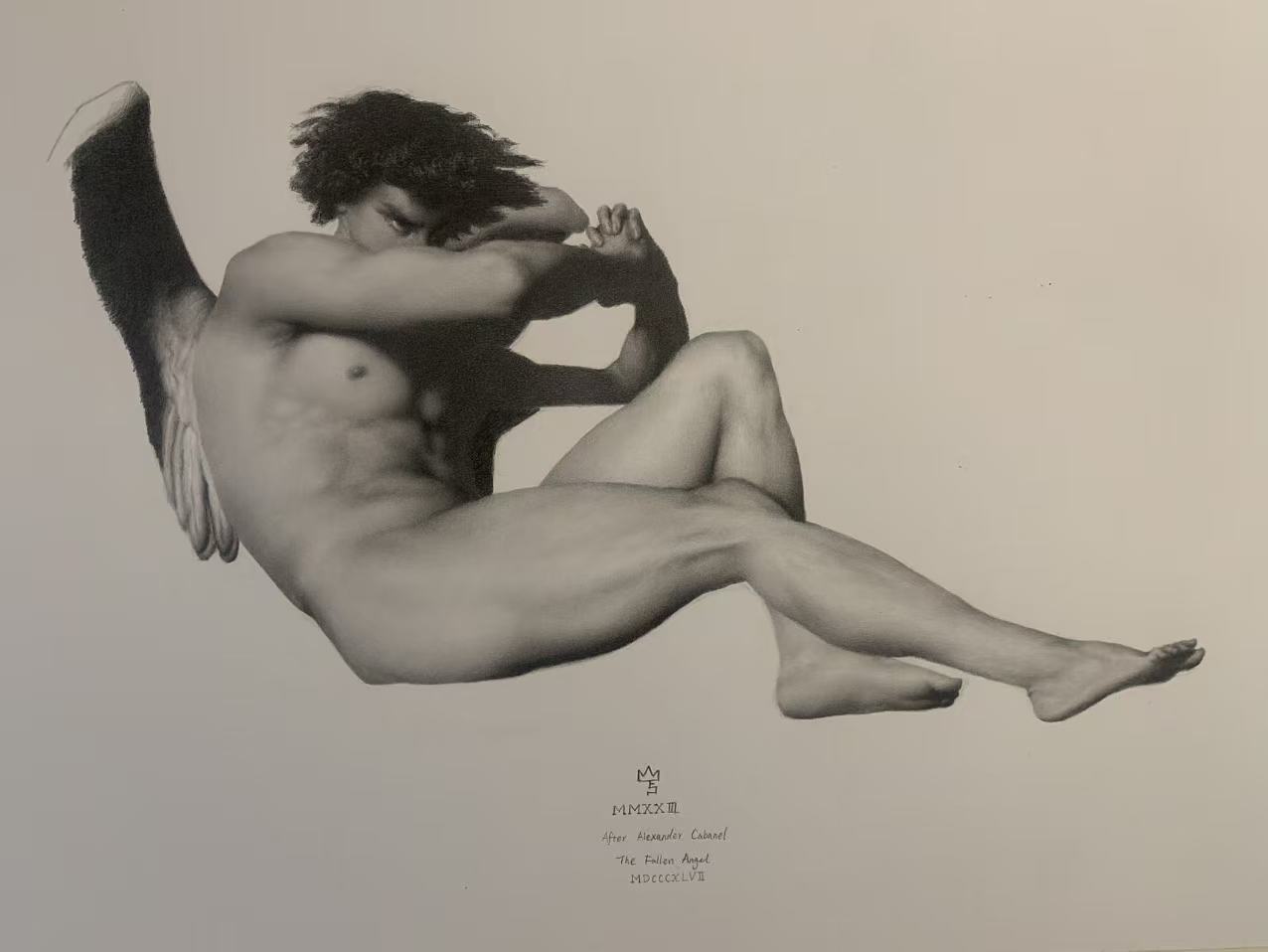
After line and proportion become steadier, students typically spend more time on value and volume. Charcoal is especially useful because it allows broad massing, softer transitions, and clear corrections. This stage teaches students how light reveals form and why value structure matters so much in classical realism.
Good drawing classes do not rush students toward finish—they teach them how to build accuracy and form from the beginning.
Line and proportion
Students learn how to compare widths, heights, and angles before committing to detail.
Shape and value
Drawing develops from flat design into clearer light-and-shadow organization.
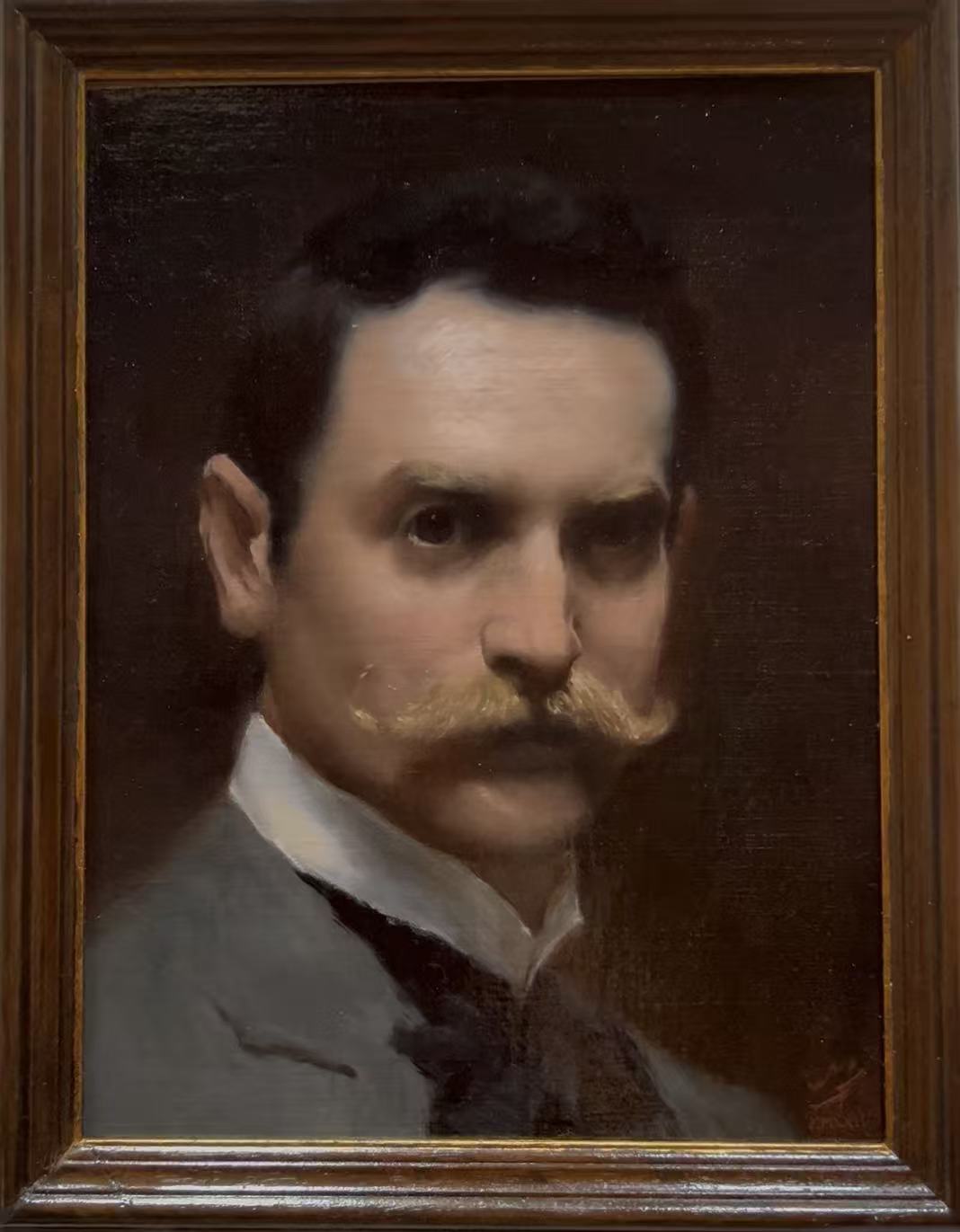
Portrait studies
The head becomes a practical way to study likeness, planes, and expression.
Preparation for painting
Once drawing strengthens, the move into oil painting becomes much more natural.
From drawing into painting
The goal of atelier drawing is not to remain only in charcoal. It prepares students for traditional oil painting by teaching structure first. Students who understand shape, value, and form are better prepared to handle colour, edges, and paint with intention rather than guesswork.
For anyone considering art classes in Florence, Italy, this progression—observation, drawing, then painting—is one of the most enduring strengths of classical training.